Ceramic Nonstick Frying Pan Buyers Guide for Easy Cooking
Thinking about a ceramic nonstick frying pan for easy everyday cooking? This guide explains how it works, what to avoid, and how to care for it so it lasts. You will find a balanced look at benefits and drawbacks, plus quick, practical tips you can apply right away. We also answer common questions about heat settings, utensils, and cleaning routines to support confident, gentle use in your kitchen.
- Common Mistakes to Avoid
- Pros & Cons Analysis of a Ceramic Nonstick Frying Pan
- Quick Tips
- Wrap-Up & Key Insights
- Q&A Section
- About the Author
Choosing the right pan can make everyday cooking calmer and more enjoyable. Ceramic-coated skillets are appreciated for their smooth release, simple cleanup, and light weight. Still, coatings benefit from gentle care and a few mindful habits. In this article, you will learn what to look for, how to avoid common pitfalls, and how to maintain performance over time. If you are exploring options, you may find it helpful to browse the cookware range at Shop Collections to compare sizes, handles, and base types.
Common Mistakes to Avoid
Small, thoughtful adjustments tend to keep ceramic coatings performing well. These are frequent missteps and kind alternatives to consider.
- Preheating an empty pan on high heat. Rapid, high temperature can stress the coating and base. A gentler approach is to add a little oil or butter first and warm over low to medium heat.
- Using metal utensils. Metal edges may scuff the surface. Silicone, wood, or nylon utensils are typically kinder to the coating.
- Cooking sprays that leave residue. Some aerosol sprays can build a sticky film. A light brush of regular cooking oil often releases food well and wipes clean.
- Shock temperature changes. Rinsing a hot pan with cold water can warp or weaken layers. Let it cool for a few minutes before washing.
- Stacking without protection. Nesting pans can cause abrasion. A soft cloth, pan protector, or a paper towel between pans helps safeguard the surface.
- Abrasive cleaners or pads. Steel wool and harsh powders can dull the finish. A soft sponge with mild soap usually works best.
- Overcrowding the cooking surface. Too much food at once can trap steam and lead to sticking. Cooking in batches may give better searing and release.
- Skipping routine care guidance. Many brands share specific care notes. A quick look at a trusted Care Guide can help preserve nonstick qualities.
Pros & Cons Analysis of a Ceramic Nonstick Frying Pan
It may be helpful to weigh benefits and trade-offs before bringing a new pan into your kitchen. The following lists aim to be even-handed and practical.
Pros
- Easy release and cleanup. Eggs, pancakes, and delicate fish often slide off with little fuss, so cleanup feels simple and quick.
- Lower-oil cooking. You can often cook with less oil while still getting good browning, which may support lighter recipes.
- Fast heating. Many ceramic-coated pans have aluminum or layered bases that warm rapidly and evenly for everyday sautés.
- Gentle everyday use. For quick weeknight meals and breakfast favorites, a smooth coating helps reduce sticking and stress.
- Lightweight feel. Compared with some clad or cast pans, these are often lighter and easier to maneuver.
Cons
- Heat limits. High heat can shorten coating life. Medium or medium-low heat tends to be kinder, especially for preheating.
- Utensil care. Metal spatulas and sharp tools can scratch. Using silicone or wood helps, though it may take adjustment if you are used to metal.
- Longevity varies. Durability depends on factors like base thickness, coating quality, and routine care. Gentle habits usually help most.
- Dishwasher caution. Some models are labeled dishwasher safe, but repeated cycles may dull the surface over time; hand-washing is often preferred.
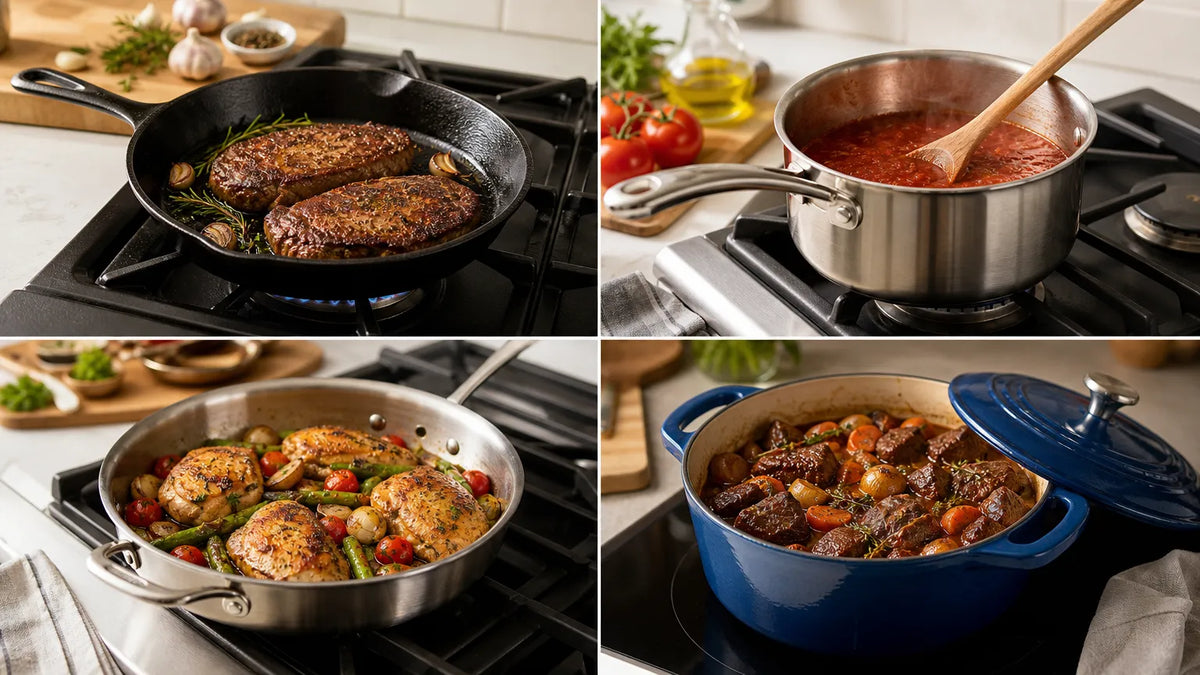
- Searing limits. Ceramic-coated skillets can brown well, but very high-heat searing is better suited to uncoated stainless or cast iron.
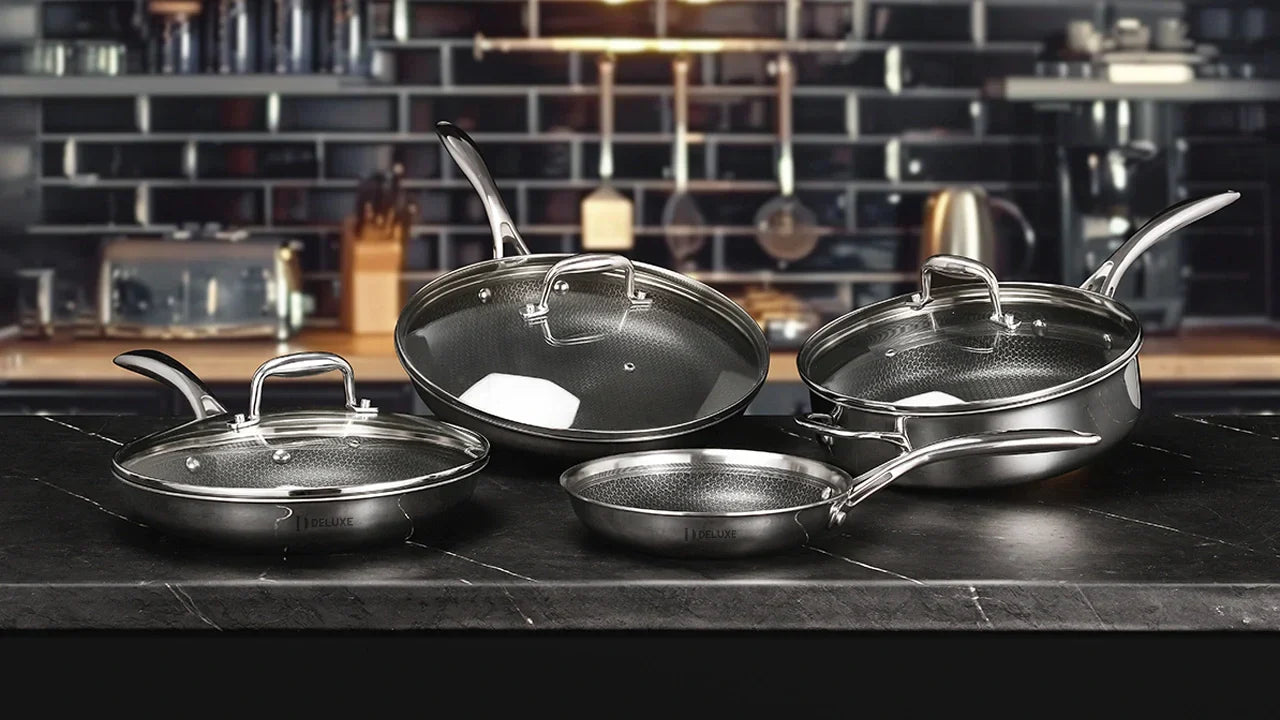
If you would like to compare different bases, handles, and sizes, you may enjoy browsing Deluxe Cookware for design details and helpful care notes.
Quick Tips
- Warm the pan on low to medium heat with a small drizzle of oil for best release.
- Use silicone, wood, or nylon utensils to be gentle on the surface.
- Let the pan cool a bit before washing to avoid thermal shock.
- Wipe away residue with a soft sponge and mild soap; avoid abrasive pads.
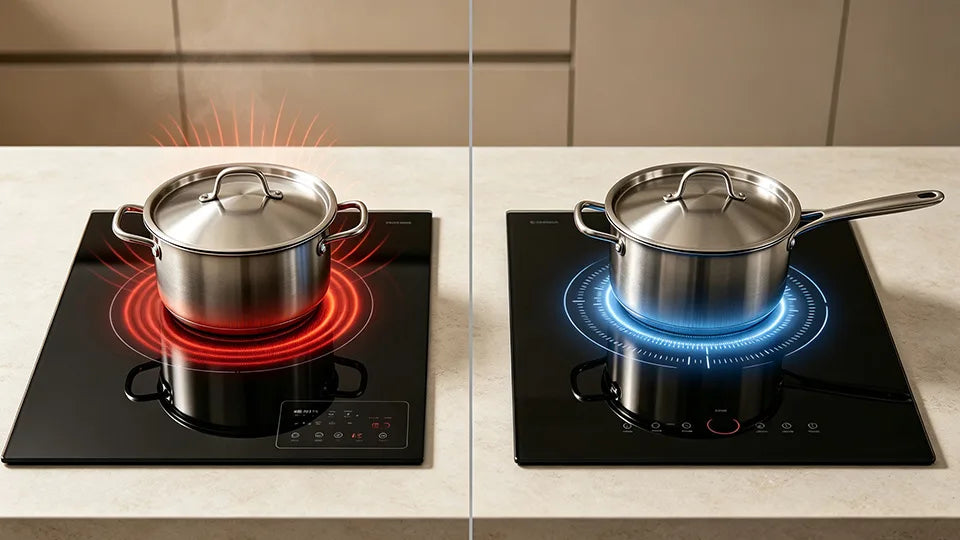
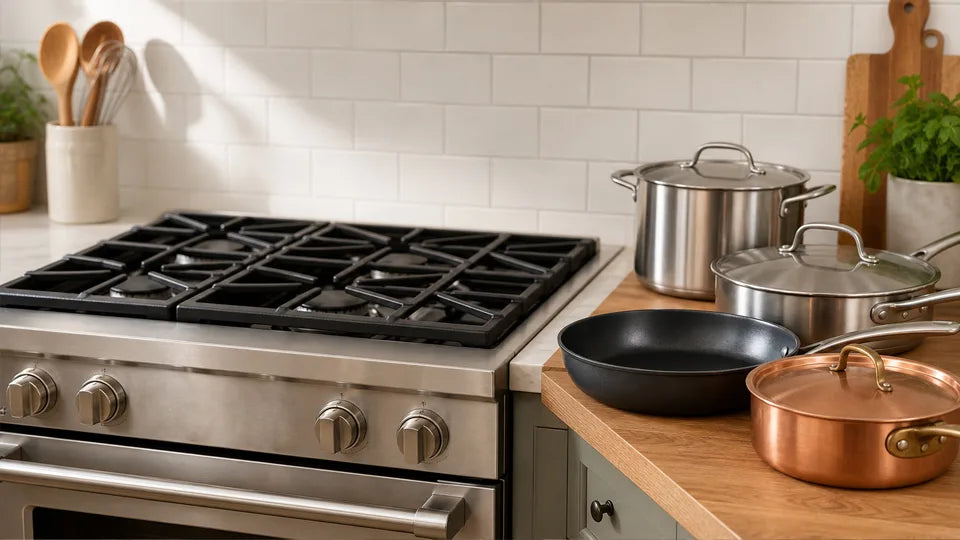
- Choose a burner that matches the pan’s base for even heating.
- Dry fully before storing to protect both the coating and the base.
- Place a soft protector between nested pans to prevent scuffs.
- For a light refresh, simmer a mixture of water and a drop of dish soap for a minute, cool, then wipe clean.
- Check the product page for notes about oven use, maximum temperatures, and stovetop compatibility.
- Keep a simple routine; small, consistent habits support long-term performance. The Care Guide offers a helpful checklist.
Wrap-Up & Key Insights
A non-stick ceramic pan can make daily cooking feel easier, especially for eggs, pancakes, and tender fillets. Most performance issues are avoidable with moderate heat, gentle utensils, and patient cleaning. It may help to remember that coatings respond best to steady, low-to-medium temperatures and a thin layer of fat. If you are evaluating options or want to understand protection policies, you might review the brand’s Warranty to see what is covered. With considerate care and mindful use, you can enjoy consistent results and smooth cleanup.
Q&A Section
How do I prepare a ceramic-coated skillet before first use?
A simple wash with warm water and mild soap is a thoughtful start. Dry it thoroughly with a soft cloth. Some cooks like to rub a small drop of neutral oil over the surface before the first cook, then wipe away any excess. This gentle step can support initial release and a clean sheen. Always review the brand’s care notes for any model-specific guidance.
Can I use metal utensils or high heat?
Metal utensils may scratch or dull the surface over time, so silicone, wood, or nylon tools are kinder choices. Regarding heat, medium or medium-low settings are usually preferred for everyday cooking. If you need more browning, allow a bit more time rather than turning up the flame. For very high-heat searing or oven roasting, an uncoated pan may be a better companion.
Is it dishwasher safe, and how should I clean it?
Even if the label says dishwasher safe, hand-washing often helps extend the surface’s smooth feel. Let the pan cool slightly, then wash with warm water, mild soap, and a soft sponge. To remove a light film, simmer a small amount of soapy water in the pan for a minute, allow to cool, and wipe. Avoid abrasive pads and harsh powders, which can dull the finish.
Will it work on induction stoves?
Some ceramic-coated frypans include an induction-compatible base, while others do not. If you are using induction, look for a clearly marked ferromagnetic base. You can also test with a magnet: a firm magnetic pull is a positive sign. For clarity on base types and stove compatibility, you may find product details in Shop Collections helpful when comparing pans.
About the Author
Deluxe Cookware shares practical cookware guidance and friendly kitchen tips focused on ease, care, and everyday results. Our team enjoys testing pans, comparing finishes, and simplifying care routines to support calm, confident cooking. Thank you for reading—we hope these insights make your next meal a little smoother.
The content in this blog post is intended for general information purposes only. It should not be considered as professional, medical, or legal advice. For specific guidance related to your situation, please consult a qualified professional. The store does not assume responsibility for any decisions made based on this information.