Hybrid Cookware for Induction Cooking A Practical Guide
Curious about choosing cookware that works smoothly on induction? This guide explains how dual-surface pans behave on magnetic stovetops and how to avoid common pitfalls. You will find pros and cons, simple tips for daily use, and clear answers to frequent questions. We also share gentle care practices to help your pans last and perform well.
- Introduction Paragraph
- Common Mistakes to Avoid
- Pros & Cons Analysis
- Quick Tips
- Wrap-Up & Key Insights
- Q&A Section
- About the Author Section
Introduction Paragraph
If you are exploring hybrid cookware for induction cooking, you may be weighing how it performs, how to care for it, and whether it fits your daily routine. Hybrid, or dual-surface, pans blend stainless-steel durability with a lifted nonstick texture. On magnetic cooktops, this pairing can offer fast heat-up, even browning, and easy release when used with a few simple habits. In this guide, you will learn what to check before buying, how to set heat levels, and how to clean without damaging the surface. For product inspiration and helpful policies, you are welcome to visit Deluxe Cookware.
Common Mistakes to Avoid with hybrid cookware for induction cooking
- Skipping the magnet test on the base. If a magnet does not cling firmly to the bottom, the pan may not heat properly on induction. Most hybrid pans use a magnetic stainless or steel disk, but it is still wise to check.
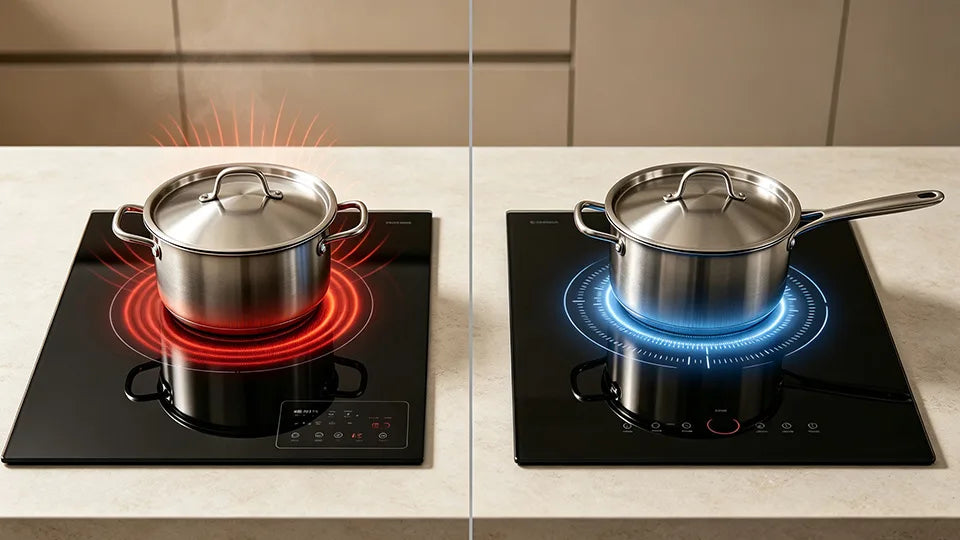
- Using a burner that is larger than the pan. On induction, coil size matters. A small or medium pan on an oversized zone can lead to uneven heating around the edges. Match the base to the ring whenever possible.
- Overheating during preheat. Hybrid textures brown beautifully at moderate heat. High heat can cause oil to smoke, reduce nonstick performance, and darken the finish. Start low to medium and increase gradually as needed.
- Adding cold food to a cold pan. A brief preheat with a thin sheen of oil helps the raised pattern release better. Wait until the oil shimmers lightly before adding ingredients.
- Using abrasive pads or harsh cleaners. Steel wool and aggressive powders can scratch both the steel matrix and the nonstick peaks. Choose soft sponges, nylon pads, or a gentle paste of baking soda and water for stuck spots.
- Neglecting to dry the pan fully after washing. Water left on the exterior can cause cosmetic spotting on stainless. Wipe dry with a soft towel to keep surfaces bright.
- Stirring with sharp-edged tools. While many hybrid designs tolerate metal, thin or sharp utensils can still mar the pattern. Silicone, wood, or rounded stainless tools are kinder to the topography.
- Forgetting to adjust for induction’s speed. Induction responds quickly. Consider lowering your usual gas or electric settings by a notch and watch for visual cues—gentle bubbling, light shimmer—to maintain control.
Pros & Cons Analysis
Pros
- Fast, efficient heating on magnetic cooktops. A ferromagnetic base draws energy directly into the pan, helping sauces simmer and proteins sear with less waiting.
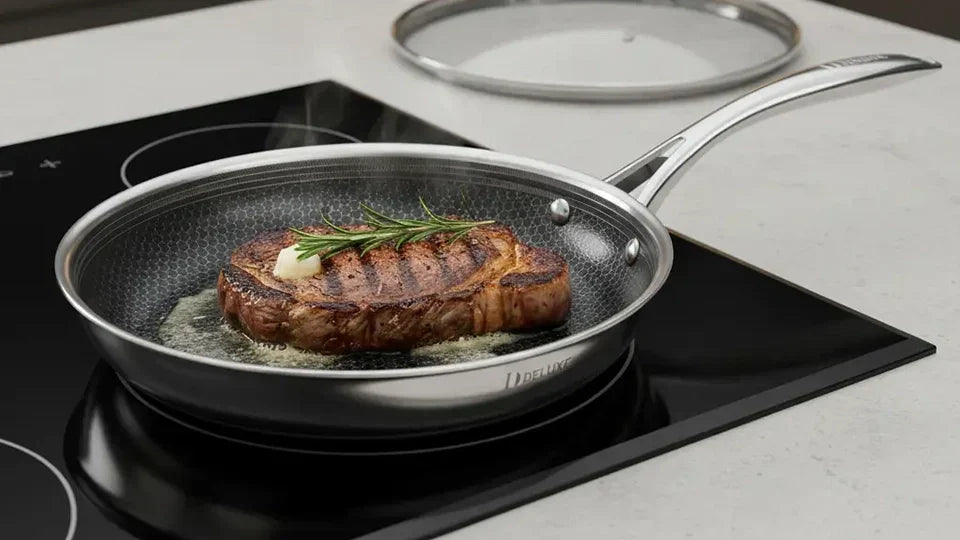
- Balanced release with better browning. The raised texture provides nonstick assistance while still allowing contact points for golden crusts on fish, eggs, and vegetables.
- Durable exterior. Stainless-steel walls and rims resist warping and withstand daily use, including frequent washing and oven finishing (within maker guidelines).
- Versatile for many techniques. From delicate omelets to pan sauces and stir-fries, dual-surface cookware adapts well to weeknight cooking.
- Often easier to clean than bare stainless. The textured nonstick pattern helps loosen residues, so gentle washing is usually enough.
- Attractive, modern look. Many pieces feature a polished exterior that complements contemporary kitchens and open shelving.
Cons
- Price premium vs. single-surface pans. The engineered surface and multi-layer build can cost more than basic stainless or traditional nonstick.
- Care considerations. While robust, these pans still prefer gentler tools and cleaners to maintain peak performance over time.
- Texture learning curve. Heat control and oil quantity may feel different at first. A brief practice period helps you dial in results.
- Weight. Fully clad walls and steel bases can be heavier than standard nonstick, especially in larger sizes.
- Not ideal for ultra-delicate sauces at very high heat. The textured contact can catch if heat or stirring is inconsistent. Lower settings and patient stirring help.
When you are ready to explore options, you may enjoy browsing the full range here: Shop all cookware.
Quick Tips
- Match pan and burner. Align the base with the induction ring for even heating.
- Preheat gently. Use low to medium heat; look for a light shimmer in the oil before adding food.
- Use a thin oil film. A teaspoon or two is often enough for eggs and fish on the textured surface.
- Pat ingredients dry. Excess moisture lowers surface temperature and can cause sticking or pale sear.
- Stir or toss early. Give proteins 30–60 seconds to set, then nudge. If they resist, wait a moment and try again.
- Choose gentle tools. Silicone or wood protects the surface and keeps it looking new.
- Clean while warm. Let the pan cool slightly, then wash with warm water and mild soap. For stubborn spots, use a soft nylon pad.
- Dry completely. A quick towel dry prevents spotting and helps maintain sheen.
- Season lightly if desired. A thin wipe of oil after drying can support easy release on the next use.
- Review store policies. If you plan a gift or upgrade, you may appreciate the Shipping details before ordering.
Wrap-Up & Key Insights
Dual-surface pans can offer a thoughtful balance of browning, release, and durability on magnetic stovetops. With mindful heat, a light oil film, and gentle cleaning, you can enjoy consistent results from breakfast to dinner. Choosing hybrid cookware for induction cooking is easier when you focus on a magnetic base, flatness, and comfortable weight in the size you use most. If you would like to compare options or learn more before deciding, you may find helpful information and product pages here: Returns info.
Q&A Section
Are hybrid pans truly induction-compatible?
Most are designed with a ferromagnetic base or a bonded steel disk, which allows induction coils to energize the pan. A simple way to check is to place a refrigerator magnet on the bottom; firm attraction is a positive sign. Look for notes like “induction-ready,” “magnetic base,” or “stainless-clad with steel core” in the product details. If the magnet clings, and the base is flat, you should see responsive heating on your cooktop.
How do I reduce sticking on textured surfaces?
Begin with a gentle preheat on low to medium heat, add a small amount of oil, and wait for a soft shimmer. Pat proteins dry and place them without crowding. Give them a moment to build a light crust, then test with a gentle nudge; if they resist, wait another 20–30 seconds. Use flexible silicone spatulas or a rounded stainless turner to lift under the food at the contact points. Proper heat and patience are often the difference between sticking and easy release.
What pan sizes work best on portable induction hobs?
Portable units often have smaller coils, so 8–10 inch skillets and 1–3 quart saucepans typically match well. You can use larger cookware, but performance improves when the base overlaps the coil by most of its diameter. If you frequently cook for four or more, consider a 10-inch skillet and a 3-quart sauté or saucier. For one or two servings, an 8-inch pan and a 1.5–2 quart pot cover many tasks.
About the Author Section
Deluxe Cookware Editorial Team
Deluxe Cookware shares practical guidance on modern kitchen tools, with a focus on induction-ready designs and everyday techniques. Our team aims to make cookware choices clear and approachable. Thank you for reading; we hope this guide supports calm, confident cooking at home.
The content in this blog post is intended for general information purposes only. It should not be considered as professional, medical, or legal advice. For specific guidance related to your situation, please consult a qualified professional. The store does not assume responsibility for any decisions made based on this information.